Wednesday, 8 June 2022

TRAVEL: CAMBODIA - covid, the beginning march 2020


CAMBODIA 

What is Cambodia best known for?
Best known as both the home of the colossal temples of Angkor Wat and for the brutal Khmer Rouge era of the 1970s and later civil war, Cambodian history encompasses both some of humanity's greatest artistic accomplishments and most horrific deeds
What is the biggest problem in Cambodia?
Cambodia's youth is particularly exposed to vulnerabilities, primarily in the context of poverty, physical and mental weaknesses, violence and abuse, and migration. In terms of poverty and social exclusion, 36 percent of young Cambodians live below the poverty line.
The Cambodian black market trade of illicit drugs includes cannabis, methamphetamine, ketamine, MDMA and heroin. Cambodia remains a major supplier of cannabis to countries in East and Southeast Asia and other parts of the world. Large amounts of heroin are also smuggled throughout the (Golden Triangle).


https://borgenproject.org/why-is-cambodia-poor/


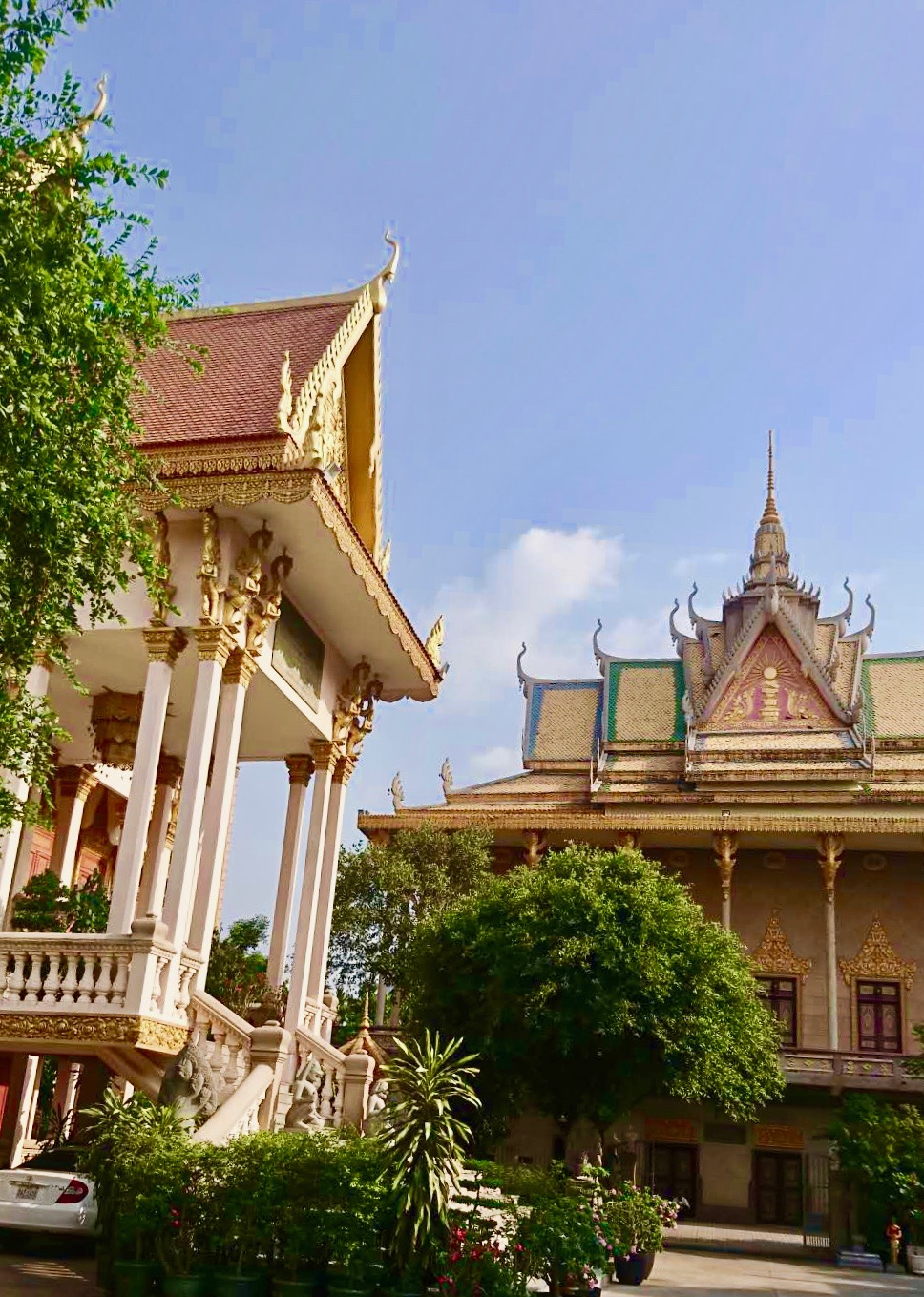
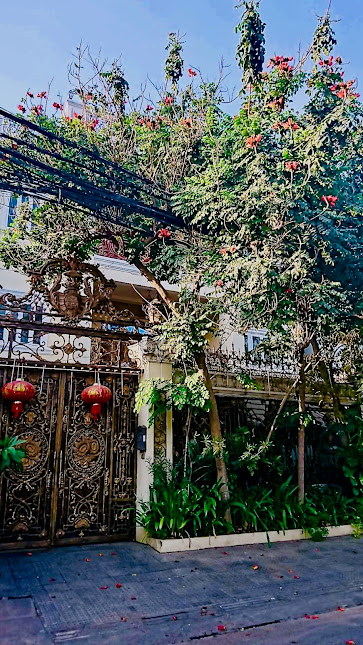
Phnom Penh


start of the pandemic, end of Feb 2020/ early march, lots of cancelled flights. it was coming to an end in china  but just to erupt everywhere else. I arrived in Cambodia at the end of February and left in a crazy flight and experience on march 22nd


top up your motorbike oil with a "roadside" oil station 


mini arcs of bananas to buy everywhere, markets and street stalls!


cambodia is dirty, lots of trash, cockroaches in many places, unless you choose to stay in a fancy hotel or resort, although the local currency in low, Cambodian riel  most places/people want dollars, it all adds up.


 someone stood to pee. they squatted on a seat of a western toilet, looks like they have signs and instructions pictures in some countries for a reason.....   to be fair, when I first came to china in 2014 it was similar. especially at night/early morning, however China employed street workers, in the form on the elderly/late middle age, plus many homeless/poor would go through rubbish to sell to recycling plants. this still happens, even with the new rules and recycling policies


I landed in the capital city airport, years before I had went to Siem Reap and visited Angkor Wat and enjoyed the experience, not this time for many reasons.  


some hilarious translation fails, hoping it means nose/ear piercing?
asia also seems to love its bird's nest items, especially drinks and facials make , bird spit, yum yum. 

lotus seeds

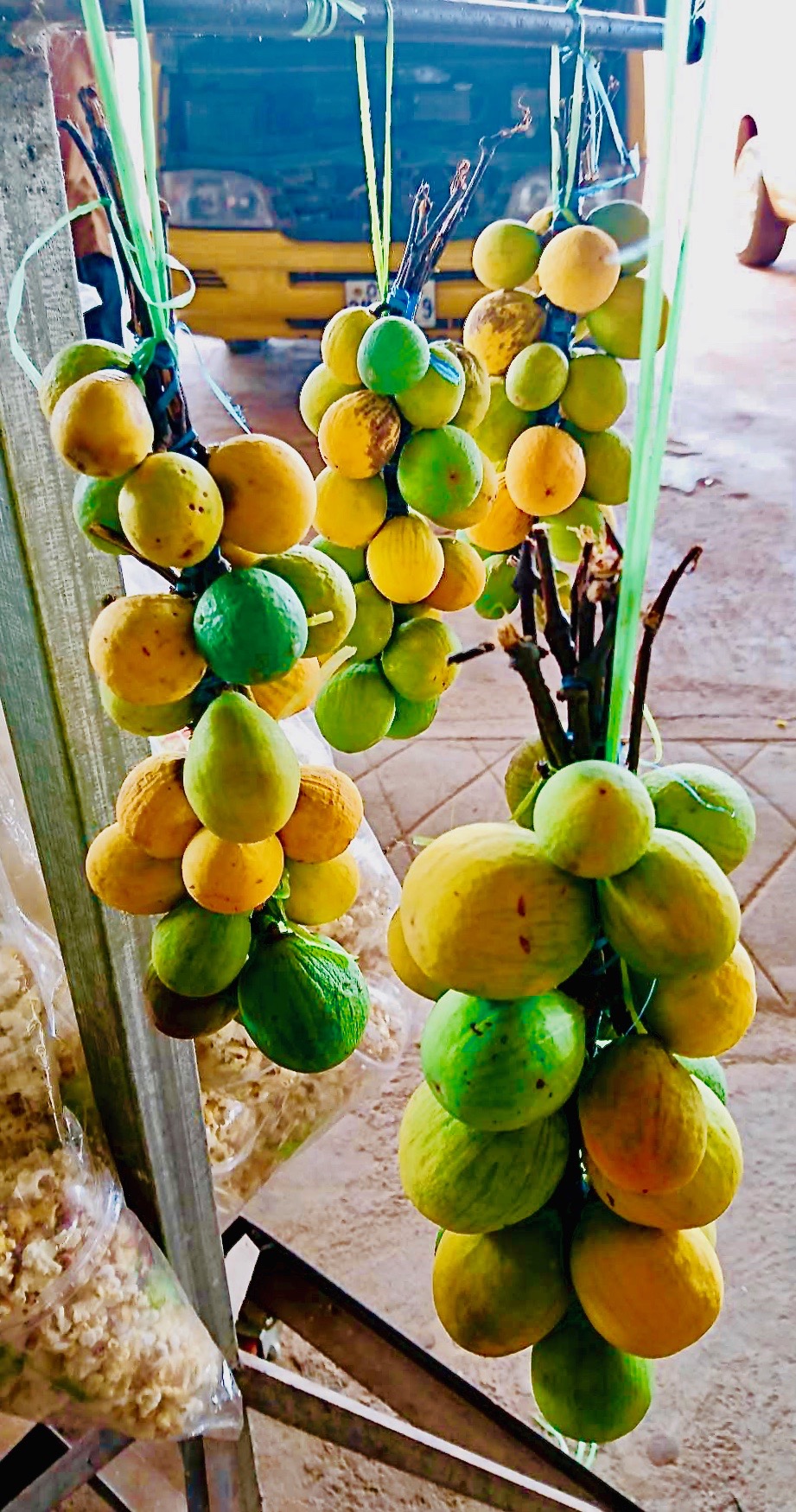
market fruits? no idea what they are though 


Arrival to Cambodia.  flight requirements due to Covid were still quite lax in comparison to some places, when trying to go to Malaysia / Brunei we had some issues as we had been in China recently but it was over 14 days so eventually we go through. same in Palawan, we had to sign  a form stating recent travels. for here however I was Promptly temperature scanned, with something that resembled a gun to the forehand without warning....should have said something!
lots of flights had been cancelled due to Covid19 but apart from that it was pretty normal. it was hot when I landed, the tuktuk drivers itching to hustle you from the exit, I Just walk out and tried  find the bus stop, which didn't seem to come so I still had to barter for an expense lift, but the guy took me right to the centre to try and find a place to stay, I hadn't booked but had researched places from booking.com as I needed to check out the Internets I could teach ok they were all pretty terrible and in poor condition. eventually an Indian restaurant took me in, 2$ a night, but it was disgusting, dark dreary with creepy workers and other guys, the beds were steel cages stacked on top with a mattress light, plug and ladder, 3 levels. I choose the top. no curtains, a disgusting pillow and blanket. I used my own. no direct sunlight. horrid. like something from a future film. but cheap and good internet. I didn't know how long I'd be there. and it was central. the owner had married a local. quiet in the day busy at night, at the start they wee nice and would give me ice for free but it stopped after a while. the referred to me as "hey lady" it got annoying after a while. I kept to myself. the toilets were another thing. cockroach and all that....the shower on top.....cold. I would wash with the sink and a cloth usually. when I was there. no lockers or anything. I put my iPad to the bottom of my bag and my passport in a ripped folder in my backpack under another bag to keep it discreet. camera was broken so just had an iPhone 6s for pictures, not so new but not terrible. 

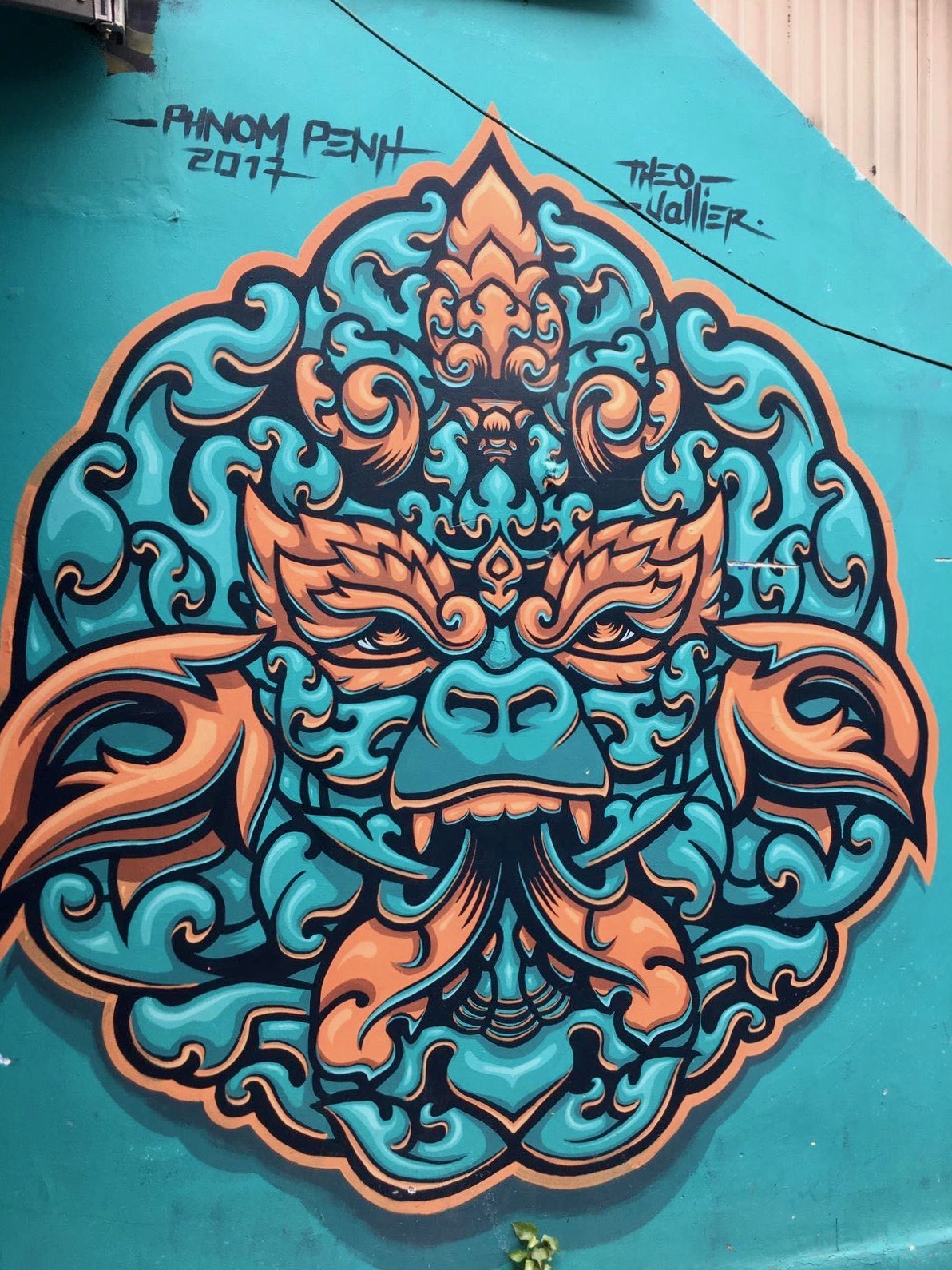
I went out to explore the area and get a bus ticket for KHAMPONG CHAM in the north, a bus for the next morning, there are lots of ticket stores near the main market (Phsar Thmei). After that I looked around the market and checked out the cool graffiti of the area. there's some interesting shops and temples. the main sites are all very expensive and any outside of the city are hard to get to, you need to rent a scooter. 


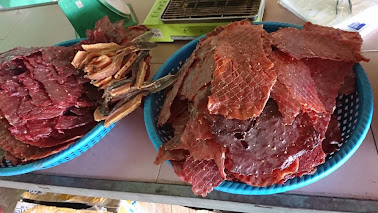
spicy fruit street foods
DURIAN!


Asian tuk tuKs are all so different yet similar!  however in Indonesia they don't use them, instead you can get a lift on an app, for a motorbike! 


KHAMPONG CHAM

 HOTHOTHOT!!!!

departed super early. the bus had simple AC and I got a free mini water and a wet wipe. I dozed most of it a short journey of around 3 hours we got there around 11.


I stayed in Sunrise villa, staying on the second floor with some other girls, it was simple. along with river side, I had a coffee to wake myself and rented a bike then set off exploring in the intense heat! 


bamboo bridge to the island, for this you need to push the bike across to get to the other side, not so easy as its so bumpy! some people were along the beach on the island but it was a bit dirty and not so nice. I explored a bike on my bike into the island seeing the local houses and chilled life, coming across a quiet temple with a beautiful cat inside. there were some children playing nearby, but apart from that the place was quite empty and peaceful.   the don't have floating villages per say, just some houses, not like in Laos or Brunei. 

ko pen bamboo bridge


stilt house similar to that of thailand but not as high, perhaps for flood prevention? or storage?
the cat was so cool, huge ears due to the hot climate, it looked like a wild cat of the dessert to me!

back on the mainland I came across another beautiful temple full of a variety of statues. 


it was nice cycling around and exploring, I stayed a night and left the next day checking out the night market later the night. there's also a riverside park and a lighthouse to check out. 


KHAMPONG THOM


khampong Thom is north west of Cambodia and borders Siem Reap, it therefore also has a lots of ancient temples to see. though they aren't convenient to get to an are spaced apart. Although its close to Kampong Cham, it's difficult to get. to, there are. no direct buses and it is in fact easier to just return to Ph and get another bus. If you drive or rent a driver then you can get there in about 3 hours or so. I UNFORTUNATELY GOT ROBBED AFTER THIS IN Phnom Penh here the lack of photos (I later borrowed a phone fro a Chinese girl from couchersurfer) 


I had wanted to visit Preah Vihear (a mini Angkor wat) but with no bike and unable to drive I wasn't able to. though there is still plenty of other things to see such as:


BATTAMBANG 


everything is pretty easy to get to with a bus if you go from the capital, Siem Reap has many options too. 
it's quite a nice town with a nice vibe to it, not as crazy or wild as the capital with a huge central market swell and lots of nice little shops and street art too but not as messy or "wild" it's the central hub of north west Cambodia and 3rd biggest city establish in the 11t century,  well worth a visit in my opinion, one can stroll along the river (Stung Sangkae/ Sangkae River)  and also check out the colonial French architecture. The Old Town of Battambang in the list of UNESCO world heritage site along with The Old Town of Kampot and The Old Town of Kratie since 2017. .  I stayed in a nice hostel called The place hostel, with a great rooftop area, they directed me on where to go nearby to rent a bike for the day. 

in the middle of the town is the big market - Phsar Nath Market full of foods like fresh fruits etc. it's bustling with activity most of the day.  with plenty of unusual foods I'd never seen before


Phsar Nath Market
other areas to check out include all of which are easy enough to get to with a scooter.

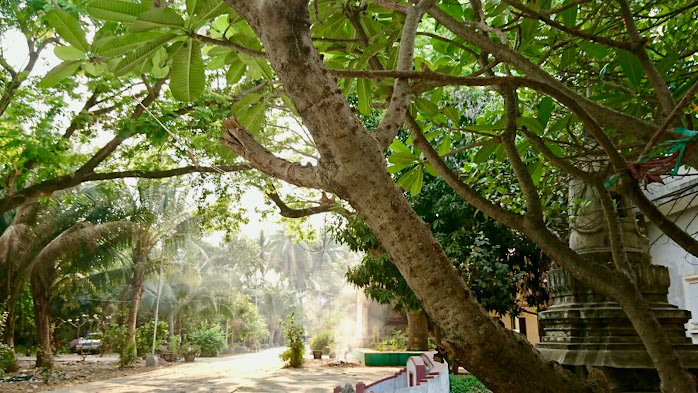
found a nice quiet local temple nearby and checked it out, it's all pretty chilled here in comparison to the craziness of PP. feel like there I more air to breath and its far more relaxing! PP feel crowded and dirty, here, less dirty, less rubbish strewn, and the colonial building add character and charm. plenty of cute boutiques to checkout like where ei rented the bike, nearby I got some earrings and a recycled local purse (I bought similar years before on my trip to ankle but it was dying a horrid death after years of use) 


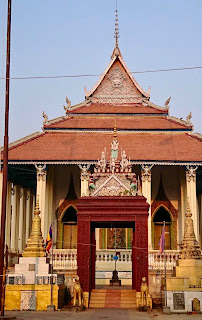
Wat Piphetthearam
 
https://www.phnompenhpost.com/national/ten-battambang-temples-given-model-status-age-and-beauty

I then heading in the direction of the main river, cycling along and stopping to check out the beautiful buildings and park.  I had a picture of the big "black man"  Ta Dumbong Kro Aung Statue the local ethnic symbol which stand =/squats on a roundabout, but when my phone got stole......
he's a bit like the Cambodian "christ the redeemer" statue or Rio in Brazil, believing he takes care of the whole city,   that he still alive and has power, 

"The legend of how Battambang came to be..
He was a cow herd who found a magic black stick and used it to usurp the king. After the king was deposed his sons ran off into the woods and became monks. When he became king, Ta Dumbong had a dream that a holy man on a white horse would one day defeat him."
its meant to be based on reclaiming the land from Siam/ Thailand.


Sangke Pagoda

nearby the black man statue I found another big temple area, this one with khmer style carving reproductions, it was larger and more well kept than the others and full of beautiful flowers 


there's also a load of ancient temple ruins such as; Wat Banan, WaT Ek Phnom 


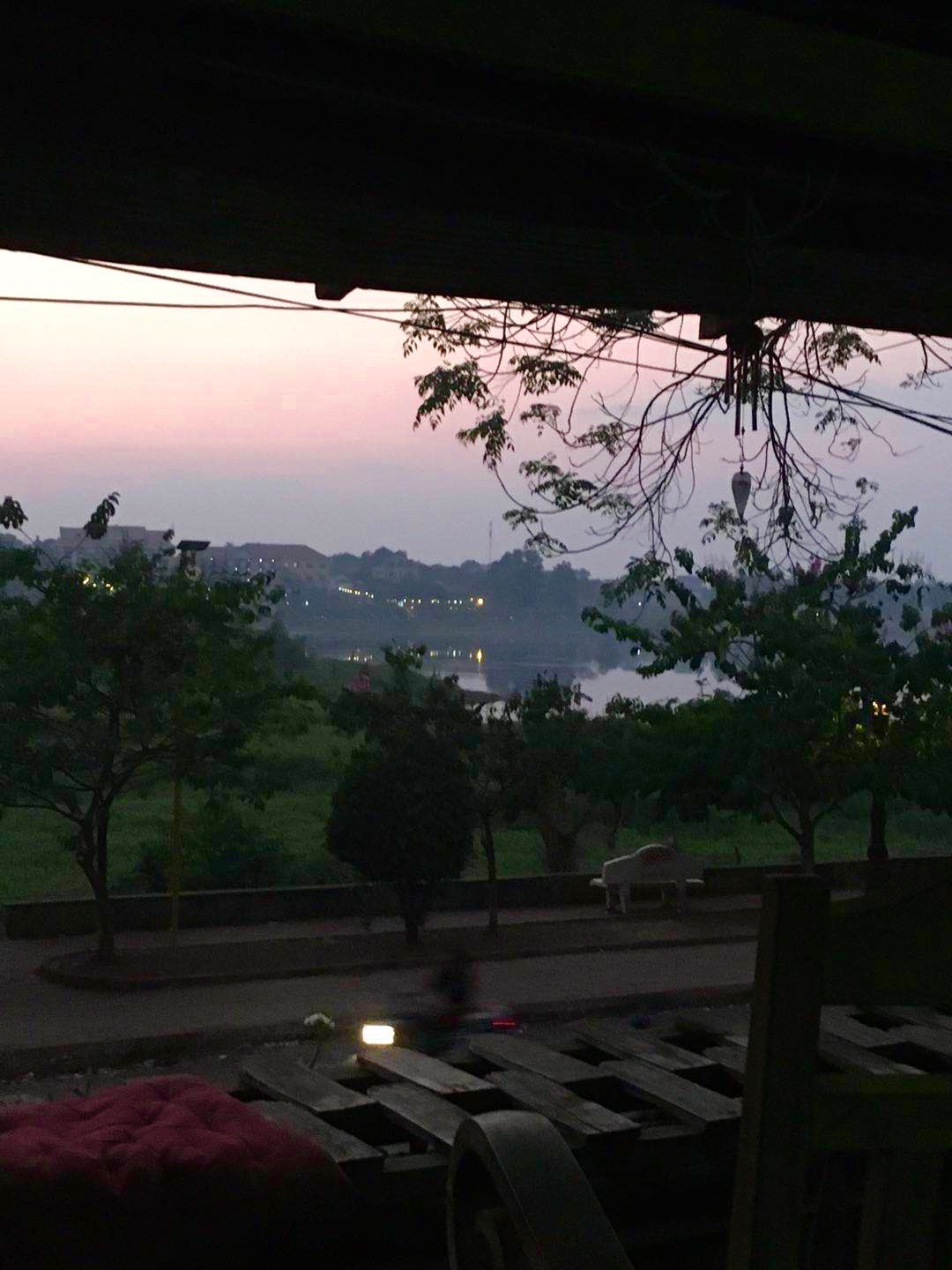
stayed a day and a half, my hostel was pretty quiet and the rooftop was great to chiLL-in, you could even over food, not just drinks. sunset was beautiful from it. heading back to the capital for a couples days before going to Ban Lung in north east Cambodia, the capital of Ratanakiri Province. its a bit of a Dusty town and not as well developed or visited as others 

BANLUNG  


is a small town in North Eastern Cambodia near the borders of Vietnam and Laos. And is know for it's volcanic lake (Yaek Laom) also known as Crater lake, an elephant foundation and nearby waterfalls ( Kachang waterfall, Katieng waterfall and Cha Ong waterfall.) it's a dusty and  heavily forested town, with several ethnic minority groups living there or nearby.  it's far to get there, taking 11 hours on a bus from Phnom Pehn with only a sleeper bus option https://12go.asia/en/travel/phnom-penh/banlung


I stayed in a really nice hostel near a river run by a French owner, one could order breakfast, lunch or dinner and order drinks. the rooms were at the back, one climbed up steps to wooden cabins on stilts, there were a lot of trees so there were many mosquitoes, and as per usual it was super hot. 


I rented a bike from them and explored, I was chill but had a sense of despair, perhaps due to the dustiness and lack of businesses. 

KAMPOT  

it takes about 3 hours by bus from the capital, from $7

https://12go.asia/en

its a town that sits on the coast near Kep in south Cambodia famous for its peppers. I stayed in a hostel on the hill in the town that looked into the mountains , it has a great open air fresh market, and a charming old town to check out.  


https://www.atlasobscura.com/places/bokor-hill-station


there's plenty of things to do if you can't explore on bike/scooter, if you can its recommended it check out one of the local pepper farms or salt fields. you can also do a day trip to kep and try to visit rabbit island, hot the beach and relax. 

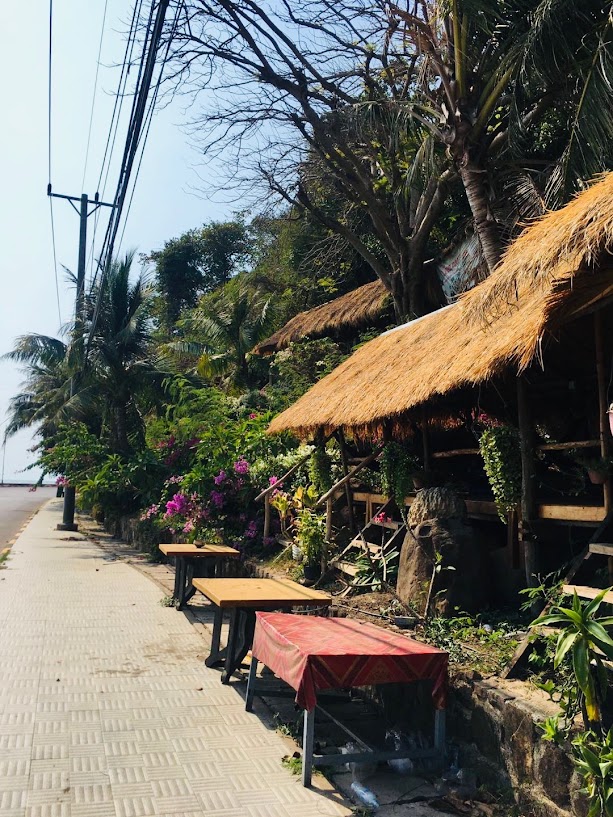
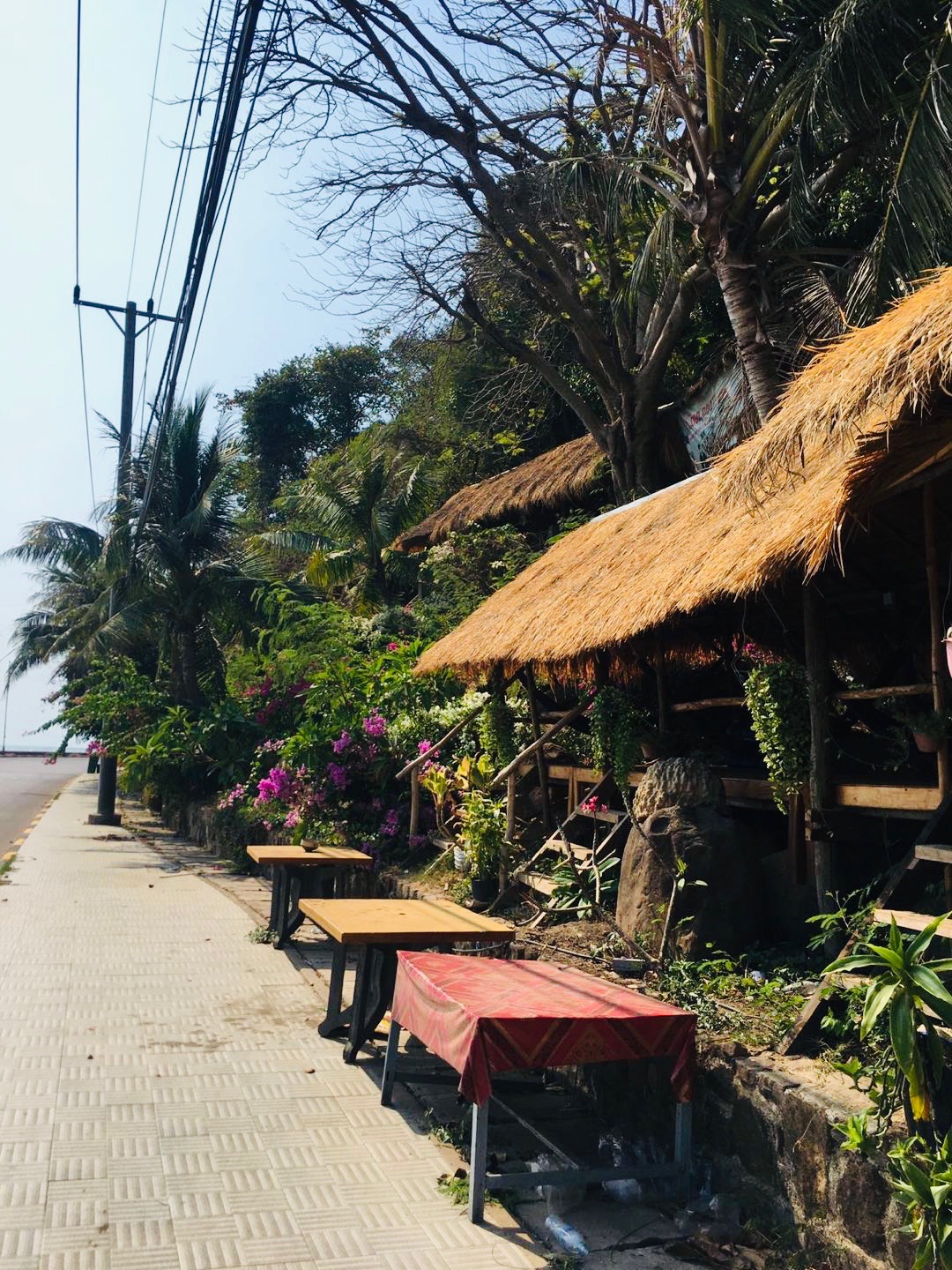
I went for a walk and found interesting homemade fruit alcohol distilling, cute shops and cafes along with cool hammock shacks along the sea/beach to chill in free of charge!   


SIHANOUKVILLE


I went at a terrible time as the were basically refurbishing the whole city. It's a gateway to the islands, popular with Chinese due to its casinos so there is of course, lots of chinese food shops and restaurants. 
the roadworks were everywhere, it was ongoing constantly. loud! roads all dug up. not a fun place to visit, 
however I found a really good hostel that was quiet, full of friendly foreigners and Netflix in the communal area, even sort of indoor/outdoor pool. I met a lot of feigners, so from China and others just travellers or also trying to avoid the madness of Covid which was starting to slowly spread everywhere, 
first in Asian after the first reported breakout in Wuhan China, to everywhere else in the world, It was the start of March,  our days were numbered. 

I met up with a local Cambodian, who also got the bus from the capital, we arranged to explore together, and rather than following the usual tourist plan of going to the expensive islands (popular for drugs and expensive drink with lots of parties) that had little to no internet reception, we checked out the town and stayed only the 2 days. 


https://www.gpsmycity.com/gps-tour-guides/sihanoukville-5749.html


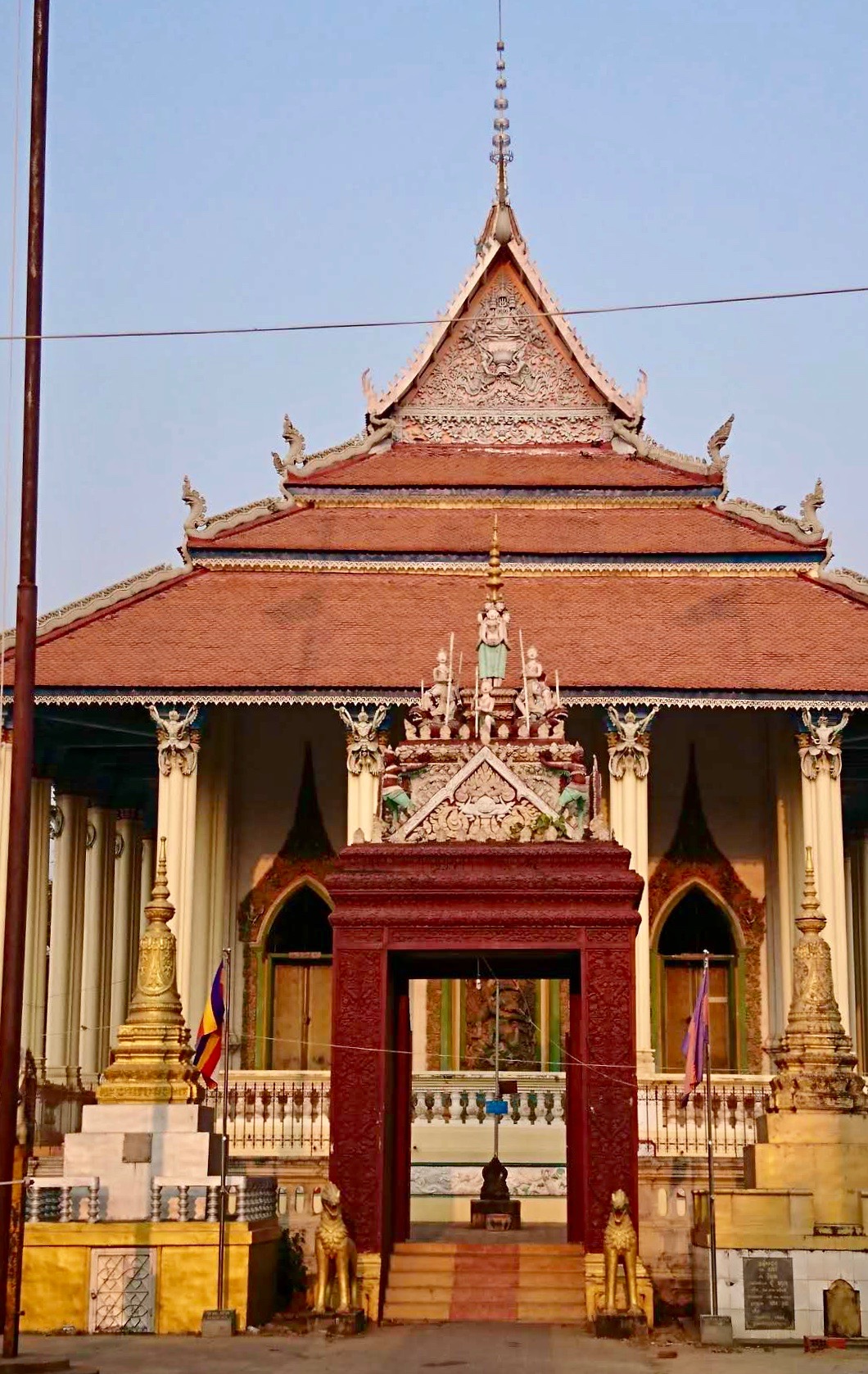
we walked along the beach, (better than the upturned roads full of builders) and found a really nice temple, with barely a soul in sight!


Phnom Penh


The Cambodia–Vietnam Friendship Monument in Phnom Penh, capital of Cambodia, is a large concrete monument commemorating the former alliance between Vietnam and Cambodia. It was built in the late 1970s by the communist regime that took power after the Cambodian-Vietnamese War, which overthrew the Khmer Rouge regime


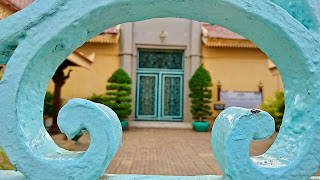
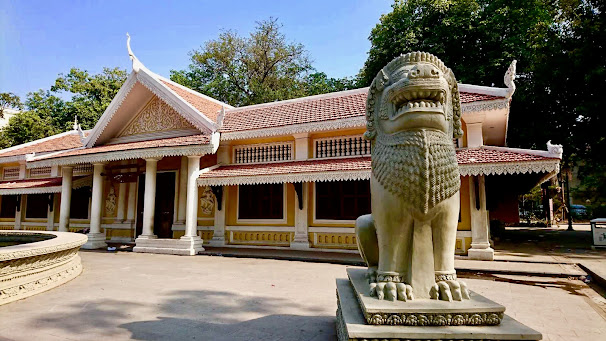
There are plenty of random nice temples throughout the city, some, like the palace and main temple complexes requirement payment to enter, others are simple temples and of course are free.
I enjoy going to temples however, this hobby was soiled as I was robbed! in the day, while wandering around a temple in the centre not far from the promenade! I local was behind me while I explored and took pictures on my phone, the a**hole grabbed it out of my hand and ran! (I guess I was lucky he didn't try to do anything else, such as steal my bag or hurt me) he instantly ran, bounding over walls, I was no match,. it was an old phone, I didn't back up my pictures (I got some back via messages from friends and family) but the main heartbreaking thing was that it contained the last messages my grandfather ever sent me, things like this cannot be replaced and I was quite devastated. Luckily I had made a friend via couch surfer who was from China who was so kind to lend me a spare one, I later sent it to her when she also returned to China (me to Shanghai and her to Guangzhou)


I made some friends on couch surfer and we explored on scooter the local areas, some huge parks and a combination of colonial architecture and asian 


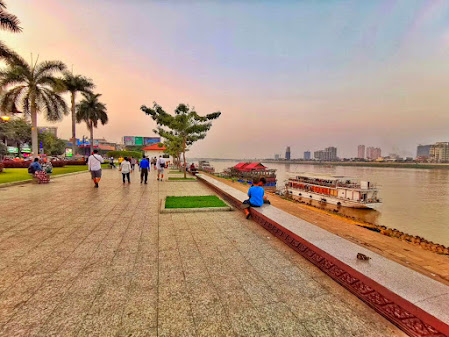
the promenade 


I nearly got robbed/ pickpocketed here too, BE CAREFUL!


did exploring with another traveller and ended up at a random island, Koh Dach were they make silk, they invite you in and show you the basics and try to sell you pieces, interesting. we explored the fields and backroads which was great, we even got trapped in one as it was starting to gate late and they closed one haha.  


Thursday, 26 May 2022

Translation and Client Feedback


Translation and Client Feedback

It’s important that you know how to handle client feedback correctly.

So, you’ve completed the translation and submitted it to your client, but what happens when the client requests alterations to the translation? Well, this is called client feedback, and it’s important that you know how to handle client feedback correctly. 

How to Interpret Client Feedback

Just like in other situations in life, just because someone requests alterations or changes (to anything; but in this case it’s your translation), it’s important that you don’t take this as a personal criticism. This is where communication between client and translator is very important: in fact, communication is the most important aspect of good translator–client relationships. It’s very important that you handle the issue of client feedback in a professional manner. 

Of course it’s only human nature that a translator’s pride might be affected by a request for changes to a translation; as if the translation was actually their creation and they are affronted by any request for alterations. Be careful to keep your perspective when any changes are requested by a client: how you handle this next stage of the service you’re providing your client could well determine whether you receive any future translation work from this client. Don’t be offended – just listen in a respectful manner to what the client is requesting. 

Receiving Client Feedback

If your client advises that they intend sending feedback on the work you’ve completed, and if it’s a client with experience in working with translators, then you can suggest how you would like the alterations sent to you. By this we mean that you should request that the alterations be as clear and detailed as possible. Obviously, at this point you will not be aware of what the alterations might be, so you deserve to receive a detailed description of what changes are being requested, and how they should be changed. For example, one option is to use the Track Changes tool in Word’s Review menu; alternatively in a .doc document the client might make comments using the Insert >Comment tool. 

It’s only human nature that a translator’s pride might be affected by a request for changes to a translation.

Incorporating Client Feedback

When you receive the file from your client with their comments, don’t work on that version: use this file as a reference. Look on your hard drive for the version you submitted to the client – create another copy and divide the screen so you can compare the file with the comments to the one you sent to the client. If you had worked with a Computer Assisted Translation tool and you have a Translation Memory, then use the bilingual version, make the alterations to your document and then into the translation memory, then save the new version of what you’ve completed so far – this is what was requested and approved by the client. You then clean the file and forward it to your client. 

What Should You Do If You Disagree with Your Client’s Alterations?

Well, that’s easy! The client is always right, and that’s just the rule! If you have a case whereby you’re faced with suggestions or comments that you know are incorrect for your translation, then this is where good communication comes in. You must contact your client and discuss these matters. And, remember to include in written form a detailed explanation of the reasons why you personally don’t recommend including these changes. If the client is still insistent that they prefer to have this or that term or expression used, even when you believe it’s incorrect, then of course you must follow your client’s instructions and incorporate the word or term. However, when submitting your final delivery you should also include your own personal comments reminding your client that that particular word or term is no longer your responsibility. 

You must always remember that, when a client initially comes to a translator, or translation agency, they are looking for your assistance or advice; but unfortunately there are many cases where clients look to a third party (usually a relative who is bilingual or speaks a little of both languages) for additional advice, and this third party might suggest ridiculous alterations that you personally would never recommend. 

There’s Always Something to Learn

On the other hand, if the changes are stylistic corrections, it’s you who ends up learning: meaning that you learn a little more about your client, their preferences and their tastes. Now you have a competitive advantage, and you’ve set yourself apart from your competition. 

It’s All About Good Communication

Remember that with translators and translation clients, just like any other relationship, communication is key, and when you have good communication with your client, there’s nothing that can’t be worked out. And of course, every communication you have with your client improves and strengthens your relationship.

Sunday, 15 May 2022

FASHION: USING FASHION ACTIVISM


 Gene Sharp’s grouping for non-violent action, lists a range of methods to enact activism. our own fashion practice can challenge norms through practices of repair or alteration, or using the garment as a canvas for expressing feelings. social media platforms can play important roles in convening dialogue, 


https://www.brandeis.edu/peace-conflict/pdfs/198-methods-non-violent-action.pdf

challenging injustice directly, raising awareness and acting in solidarity with others (with warnings regarding performative allyship). fashion business and design can be embedded in practices of equity and social justice, many different campaigns can help coordinate support for social justice movements. activism takes many forms. Fashion can be used as a means to articulate activism. Activism can directly challenge practices within the fashion system itself. 


https://static1.squarespace.com/static/5d5d34e927fded000105ccc4/t/5db4f29c7161a11f1860ea66/1572139687280/DESIGN%252BJUSTICE%252BZINE_ISSUE1.pdf

https://www.akpress.org/emergentstrategy.html

ETHICS

“Ethics is the process of questioning, discovering and defending our values, principles and purpose. It’s about finding out who we are and staying true to that in the face of temptations, challenges and uncertainty. It’s not always fun and it’s hardly ever easy, but if we commit to it, we set ourselves up to make decisions we can stand by, building a life that’s truly our own and a future we want to be a part of.” - The Ethics Centre

https://www.carnegiecouncil.org/media/article/ethics-in-online-activism-false-senses-of-social-action-or-effective-source-of-change

 resilience in activism. One needs to be aware of the laws in our region that may affect forms of activism, and how to ensure you are considering practices of care to preserve the health and wellbeing of yourself and others.

This is part of taking an ethical approach to activism, where you have an understanding of:

  • The reasons why you are developing your activism
  • Who is likely to be impacted by your actions
  • Who is likely to participate in your activities
  • What may be the unintended consequences of your actions.

https://ethics.arts.ac.uk

This may involve considering parameters around privacy, consent or data protection if asking for the participation of others. You may need to consider the intentions and impact of your actions if acting in solidarity with others, or contributing to an established cause or movement.

“In the context of power relations, speaking for, about, and on behalf of, is very different from speaking with and nearby… what has to be given up first and foremost is the voice of omniscient knowledge.” - Trinh T Minh-ha, via the UAL Ethics for Making website

personal  ethics of your activism. Would you be happy if your activism was headlining the news tomorrow? How would you feel about your actions being publicly visible?

  1. Do you need to put measures in place to protect yourself or others participating in your activism? What might these measures be?
  2. What might be the unintended consequences of your activism? How could you mitigate against these risks?


MAKING A PROTOTYPE

Prototyping is a scaled down and inexpensive way of bringing an idea to life. By creating a mock-up of your idea you can get feedback to assess how well it meets your objectives and responds to your problem statement. Prototyping will allow you to identify opportunities for refining and improving the idea.

There are many different ways to prototype. These depend on the kind of idea, the form that it would take in the real world, your creative and making skills, and the materials you have to hand. In every case, the prototype should be quick and cheap to make. This allows you to minimise emotional attachment and disappointment when identifying problems (which there will be!).


https://www.colorlines.com/articles/three-lessons-adrienne-maree-browns-emergent-strategy#:~:text=“Emergent%20Strategy”%20is%20a%20lyrical,perused%2C%20returned%20to%2C%20and%20jumped


there are many questions to consider when planning your prototype.  one should stay open-minded, work quickly and don’t get too attached to your idea or prototype. This is the place to test and learn.

Finally, remember that the process doesn’t stop here. To achieve good design thinking and the best potential for your idea, you may need to revisit previous steps multiple times and re-work through new ideas as you continue to test and develop. Going through a process of iteration to refine your idea, and making and testing multiple prototypes, is key to good design thinking. After prototyping your idea, you may find that the idea is not feasible as you initially thought. Or maybe it has strayed away from your problem statement. This is perfectly okay. We encourage you to revisit the earlier stages of the design thinking process as many times as you’d like until you have refined your prototype. keep in mind that the most important part of prototyping is the learning that is catalysed through the process of making. It is the process of critical thinking and design thinking skills that we hope to emphasise through prototyping. Whilst creating a polished workable outcome is desirable, it is not the key objective of this activity.

 Design Thinking: Get Started with Prototyping.


Tuesday, 10 May 2022

FASHION: ACTIVISM, resilience

 “Caring for myself is not self-indulgence. It is self-preservation, and that is an act of political warfare” - Audre Lorde, A Burst of Light and Other Essays

what form (or forms) of activism may address the social injustice, we need to identify the problems and change our ways of thinking, feeling or working towards change and start to achieve it.

https://www.amnesty.org.au/wp-content/uploads/2020/02/207-sustainable-activism-self-care.pdf

Activism and the law

In some countries, there may be limitations - cultural or legal - on different forms of activism. Only you can know what risks you are prepared to take as you proceed through the rest of the course. Understanding what is viable and/or legal in your region should be part of your plan for activism, so that you can understand any potential risks for you and your fellow activists.

https://starterculture.net/resources/

Practices of care

Being an activist can be inspiring and energising, but it can also be demoralising and draining. Taking care of your physical and emotional wellbeing is important for many reasons. Sometimes we just need to rest and replenish ourselves. It is an act of resistance in itself to recognise this and to take care of yourself.

When it feels that there is so much injustice in the world, it might feel that you need to keep going with your activism, despite how you feel. It can be difficult to remember that you are as important as everyone else. Useful strategies include pacing yourself, limiting how much time you spend on activism, asking for help or working with others. It can also be valuable to remember that our contribution, no matter how small, is still a step towards change.

There are other strategies that we can adopt to take care of our emotional and physical wellbeing. We could call these strategies ‘practices of care’. There is no single care practice that will provide everyone with the same emotional or physical resources we need to maintain our wellbeing or replenish us. 

what we can bring to activism?

Think of some times in your life when something important and good happened because of a choice you made, because of something you said or did, because of the way you were. Who or what benefitted from this? What strengths did you bring to the situation? How did you feel, having contributed to something?

https://docs.google.com/document/d/186LKEwckLf5L-uEEtrNplTRXfF41oAitIwLPcoJRTfE/edit


  • The Dress for Our Time project uses the power of fashion to communicate some of the world’s most complex issues, notably climate change and the mass displacement of people. The dress is created out of a decommissioned UNHCR refugee tent that once housed a family of displaced people at Zaatari Camp in Jordan.
  • The LASTING project investigates durability as one of the most promising strategies towards more sustainable consumption.
  • The ReGo project uses fashion activism to address societal issues and offers educational and employment opportunities for young people in the fashion industry.

Sunday, 8 May 2022

FASHION: Clothes and social justice

 Clothing itself can be the catalyst for addressing social injustice beyond issues directly associated with the clothing industry.

https://www.cfs.fashion/article/why-fast-fashion-is-a-social-justice-issue

who is involved in making and modelling clothes, who benefits from the sale of clothing, who gets access to professional clothes? How do we engage people through collaborative clothes-making projects to inspire and educate. How can clothing can be used to address social injustice in different ways.

  • Bethany Williams: A designer hailing “fashion as a force for change, working with social projects and communities to give textiles a second chance”. Previous collections include ‘All our Stories’, based on the stories of families who are homeless or at risk of being homeless. 20% of wholesale profits from such collections are donated to partner-charity The Magpie Project, and Bethany’s campaigns often feature families who have benefitted from the charity’s work. Bethany’s Autumn Winter 2022 collection is titled ‘The Hands That Heal Us’ and celebrates the people who make our clothes. You can watch the short launch film here.
  • Dress for Success: A worldwide organisation, with the mission to empower women to achieve economic independence by providing professional attire, as well as a network of support and the tools to thrive in work and in life.
  • Behind Bras: A UK-based organisation working with women’s prisons and women’s centres; welfare providers; resettlement and mentoring charities; universities and experts in the fashion retail and creative industries. The aim is to train women inside and outside prison to help them into employment and to become self-sufficient.
  • 1000 Coats: This project, conceived by artist Whitney McVeigh, trains 100 women from the boroughs of Hackney, Newham and Tower Hamlets, in the sewing skills required to make 1000 coats for children in poverty living across London.


https://sewingcafelancaster.com/sewing-circle-for-refugees-and-asylum-seekers-2/

Campaigns for social justice


https://commonthreadsproject.org

There are some brilliant campaigns and campaigning organisations that aim to challenge injustice in fashion. They also work to organise people to create visibility for a cause, and build power to bring about change.
many campaigns and organisations are challenging social injustice. 

  • Clean Clothes Campaign East Asia: Improving working conditions in the East Asia garment industry.
  • Fashion Revolution Week: Annual campaign bringing together fashion activism movements for seven days of action. The aim is to collectively reimagine a just and equitable fashion system for people and the planet.
  • Asia Floor Wage Alliance: Asian labour-led global labour and social alliance across garment-producing countries in Asia and consumer regions of the US and Europe.
  • Fashion Act Now: Activists demanding and enabling a radical de-fashion future.
  • Remake: Addressing labour rights, climate and gender justice in the fashion industry.
  • Labour Behind The Label: Campaigning for garment workers’ rights worldwide. You can read about a wide range of successes here.
  • Greenpeace Detox campaign: Calling on fashion companies to stop polluting waterways with hazardous chemicals from clothing production.
  • Changing Markets fossil fashion and viscose campaigns: Working in partnership with NGOs, other foundations and research organisations. They create and support campaigns that shift market-share away from unsustainable products and companies, and towards environmentally and socially beneficial solutions.
  • Changing the Face of Beauty: Committed to equal representation of people with disabilities in advertising and media worldwide.
  • Model Alliance: Through strategic research, policy initiatives and campaigns, the Model Alliance aims to promote fair treatment, equal opportunity and more sustainable practices in the fashion industry, from the runway to the factory floor.
  • Remember Who Made Them: Group of concerned feminists with networks in philanthropy, climate activism, the arts and sustainable fashion. They collaborate with workers’ groups and campaigns to spotlight their situations and demands. They also work with social media influencers and key media outlets to raise greater awareness and action.

Art and craft in activism


Art and craft has long been used in activism, from posters, theatre, murals, music and fashion itself.

‘Craftivism’, or the ‘art of craft and activism’, is a term coined by American writer and crafter Betsy Greer in 2003. Greer explains that “the creation of things by hand leads to a better understanding of democracy, because it reminds us that we have power”.

https://blog.seamwork.com/the-handmade-world/wide-angle-craft-fashion-craftivism/

There are many people using craft and art to highlight social justice issues in fashion. One movement that supports people to engage in craftivism is the Craftivist Collective.

The Craftivist Collective is “an inclusive group of people committed to using thoughtful, beautiful crafted works to help themselves and encourage others be the positive change they wish to see in the world”.

https://youtu.be/nSbeL9B3xRc


Friday, 6 May 2022

FASHION: social media influence

 
Social media influencing

Aja Barber is a writer and fashion consultant. Aja’s work focuses on highlighting inequality at the personal, societal and corporate level, using her own experience and observations across fashion. With over 250,000 Instagram followers, Aja has expertise in using social media platforms to engage global audiences with such issues.
unfortunately there is a range of social justice issues in fashion. These include accessibility, authenticity and the “cycle of buying”
brands do listen to consumers and so there is a need for collective action in holding those across the fashion system to account for bad practices.

Social media is an important tool for raising awareness about social injustice in fashion. It is also a tool for action in its own right, particularly for putting pressure on fashion companies. Social media can also be used to give a platform to people who might not otherwise be heard.
The downside of social media activism is that it can be performative virtue signalling, with little concrete action behind it. Social media is also known for spreading skewed, censored and altered information. Yet social media can support offline activism and help influence the social dialogue about an issue. We encourage you to research information before you share it, and to recognise the limits of ‘clicktivism’, whilst at the same time seeing the value social media can bring to activism.
https://www.teenvogue.com/story/fast-fashion-consumerism


We have a fashion industry that has a lot of the systems that we see in other parts of our society embedded in it, so racism, colonisation. If we are striving to be intersectional feminist, we have to start to realise that these systems aren’t silos. They actually exist in all the things that we love, including the fashion industry. And the sooner we talk about them, the sooner we can make all of these systems better and create a more equitable fashion landscape for everyone. 
Social media is a platform to spread messages pretty quickly. That’s what social media is good for. But when it comes to social justice, it’s not, again, a siloed issue where we have to mix it in with the fashion industry. We just haven’t been realising that there’s space for social justice in fashion all along. When you have a entire industry that’s built on the labour of Black and Brown people, especially at the very bottom of the pyramid. But then when you look at who’s gotten the wealthiest, it’s not the Black and Brown people making the clothes, then you’ve created a system of injustice. And there will always be room for social justice there. 


The idea that fast fashion has a negative connotation to it has made consumers start to stop ad think about if they doreally want to participate in that system anymore, with this, a lot of brands will start to rethink, if only because you hurt their bottom line. I think that that’s a thing.individual action is great. but Ultimately, we need collective action is better, strength in numbers, a louder voice harder to ignore. you can’t have the collective without  having a good, difficult conversation with yourself about why you bought 20 dresses last year, when maybe you only needed three. 
 it’s important for brands, individuals, citizens, consumers– for all of us to walk the walk. is realise that racism isn’t just a small stain.  Racism is systems that claim value Black and Brown voices where, if you look at the corporation and ask for an ethnicity breakdown, there’s not a lot of Black and Brown people moving within that field. Feminism, if we care about women and we fight for all women, then we can’t be OK with women who are not making a living wage to make our clothing. We can’t anymore. 

 it’s important that all of us really just need to be authentic about what our morals are.to not participate in fast fashion to not be buying in this weird cycle that make you feel like your clothing from last year wasn’t as good anymore and you need to buy new things. especially if you are woman, have you realised that you are participating in a system where maybe a marginalised woman wasn’t being paid for her labour.  We need to disengage with this type of consumption that isn't really good or healthy for the planet. ask for authenticity at all levels. If you want authenticity, bring marginalised people into those spaces and listen. Don’t make it a box-ticking exercise. 

it’s really important to break down to the general public what clothing cost, because the fashion industry has greatly confused people into thinking that an ethical garment is naturally going to be 300 pounds and that it doesn’t matter if it’s 5 pounds, someone was paid fairly. Where actuality, it’s a grey area. But I do think when garments are 5 pounds, no one was paid fairly that made that garment. pricing has gotten so completely skewed, and when a company breaks it down like that, they’re educating the general public about why your clothing should cost money and why it’s important to pay what you can for clothing.  rather than "exploitation pricesSkip to 9 minutes and 49 secondsthe future of fashion is hopeful, we just need to improve  the education and figure out how you play a part in these systems and think about ways that you can not play a part in these systems basically.such as supporting small businesses and handmade/ recycled products. .  corporations and the fashion monopolies aren't  good for healthy industries. It’s not good for citizens. It’s not good for your community. It’s just not a good thing. we need to challenge citizens to think about these systems.  champion small businesses, that can help to lead the way out of this fast fashion cycle. when you give your money to a small business, more of it stays in your community, which can be great for everyone, than when you give your money to a big box store. Sometimes that stuff is unavoidable.


We need to amplify these messages really quickly and to also break down the systems within the fashion industry into bite-size pieces, because one of the issues with the industry is that it’s always been so insular to people that are outsiders. So the average person has no idea how their clothing is made, where it’s made, who it’s made by. 
We don't understand a lot terminology and it confuses us a little, but we can just simplify the terms so that everyone feels like they can have a stake in the conversation.
If you’re an individual and you’re looking to get involved in these conversations, the 1st thing we should do is investigate our own consumption, investigate the triggers that make you want to consume, investigate why, because right now, we’re in a cycle of buying that isn’t good for anyone. It’s not good for us. It’s not good for the planet. It’s not good for the people that are making the clothes. But I think sometimes when you’re in a system and you’ve got these habits going, you think that you can’t break out of it. Think about consumption and really conceptualise how did you get to be in this system, and what part do you play in this system. And the sooner you start to break that down, the sooner you can get a bird’s-eye-view of what’s going on and where you fall in init. We need to brush up on these topics, because one thing that we’re definitely going to have to do is push our government leaders to regulate the industries a bit better, if we want our leaders to care about this stuff, we have to care about it. we have to make sure that it’s an ongoing conversation, so educating yourself is the first and foremost thing that you should do, because then you can spread the message. Our government officials to really join the fight, the brands need to  listen to consumers and so we must speak out. 

FASHION: forms of activism

https://community.fixing.fashion/academy/start/intro.html


fashion-ability" can be used to build self-esteem and courage beyond consumerism. This means engaging in fashion on “one’s own terms”, to resist the power and violence of fashion supremacy that makes our peers the “judges” of our fashionability, and where ideals of beauty and hierarchies of values are “weapons of repression”


https://www.fashionroundtable.co.uk/news/2020/5/19/ajend0pv7dhwncsxv9vsz4e6w3nrdt

fashion-ability can take many forms, but will:

  • Be based on fashion, not anti-fashion
  • Be constructive, building values that challenge fashion supremacy
  • Break the pacifying consumerist order of the dominant system
  • Highlight the social and ethical resistance to fashion supremacy
  • Mobilise people to share the experience of empowerment
  • Use the garment to produce personal and social consequences, such as new forms of togetherness.

 repairing clothes is a simple proactive act of increasing emotional attachment to a garment. This displaces some of the garment’s “fashion commodity status to instead highlight its role as a companion… The act of care builds self-esteem and independence” (2014, p. 280). Otto organised a social repair workshop, where “instead of simply restoring the garment back to its original status, everyone had to cut a small piece of his or her garment that would become a patch for someone else’s garment”.

https://www.nylon.com/fashion/mending-sustainable-fashion-movement